Targeted brain stimulation
Magnetic pulses from the H-coil reach broader and deeper brain regions than standard TMS, directly engaging structures tied to depression.
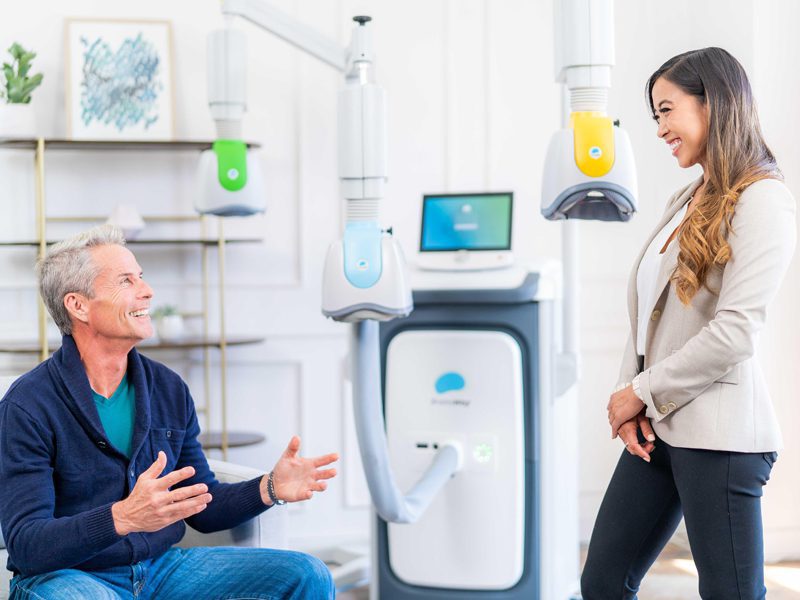
A safe, non-invasive, medication-free path to relief from major depressive disorder — even when other treatments have fallen short.
Deep Transcranial Magnetic Stimulation (Deep TMS™) is an FDA-cleared treatment for Major Depressive Disorder (MDD). Using a patented H-coil housed in a cushioned helmet, Deep TMS delivers gentle magnetic pulses that reach broad and deep brain regions involved in mood regulation — most notably the dorsolateral prefrontal cortex (DLPFC).
Peer-reviewed studies have shown Deep TMS to produce meaningful, lasting improvement in symptoms of depression — often in patients who have not responded to medication or talk therapy alone.
U.S. adults affected by depression each year
Americans report a major depressive episode
Treatment-resistant patients achieve remission with Deep TMS
Achieve a clinical response after 30+ sessions
Magnetic pulses from the H-coil reach broader and deeper brain regions than standard TMS, directly engaging structures tied to depression.
Regulating activity in the dorsolateral prefrontal cortex (DLPFC) helps re-balance the mood-regulating circuits that depression disrupts.
Clinical research shows lasting improvement in depressive symptoms — and a meaningful boost in day-to-day quality of life.
Deep TMS is one of the most rigorously studied non-invasive treatments for depression. Its efficacy has been demonstrated across multicenter trials and years of real-world clinical practice.
Deep TMS has not been shown to cause any substantial or lasting side effects. Most patients describe a mild tapping sensation during treatment and resume their day immediately after each session — no anesthesia, no sedation, no recovery time.
Side effects typically subside shortly after the first few treatment sessions.
Daily sessions over approximately four weeks, followed by periodic maintenance sessions to sustain results. An alternative 3-minute intermittent theta burst (iTBS) option is also available.
FDA-cleared accelerated option: five 10-minute sessions per day, spaced at least 50 minutes apart, for 6 days — shown to be as effective as the standard protocol, followed by a continuation phase.
If depression has held you back, Deep TMS therapy at Chrysalis TMS Institute may offer the relief you’ve been searching for. Speak with our team to learn whether TMS is right for you.